



Smartphone cameras now sit at the center of everyday storytelling, social sharing, and even professional content creation. Enthusiasts track each new device launch because small changes in sensors, lenses, and software can transform how photos and videos look. Brands race to combine powerful hardware with clever AI features, letting people capture clearer detail, richer color, and sharper night scenes with minimal effort. Foldable devices add another layer, pairing large, vivid displays with flexible shooting options for vlogs, street images, and creative angles. This guide explores the key smartphone photography trends to watch, from computational imaging and multi-lens setups to the rise of foldables like the HONOR Magic V6 that push mobile photography into bold new territory.
AI and Computational Photography Are Changing the Game
AI-Powered Image Enhancement
AI-powered image enhancement now works behind almost every smartphone shot, even when users never open the settings menu. The camera app analyzes the scene, detects faces, objects, and lighting, then adjusts exposure, white balance, and dynamic range in real time. Many phones stack multiple frames to reduce noise and recover detail, especially in high-contrast or low-light situations. Skin tones look more natural, skies keep their color, and shadows reveal texture that older cameras would lose. Brands also train algorithms on huge image datasets, so the camera understands how a “good” photo should look. Enthusiasts benefit from faster, more consistent results, while still having the freedom to tweak style through manual controls and pro modes.
Smarter Editing and Creative Tools
Smarter editing tools now sit right inside the gallery, giving users creative power without desktop software. AI can remove unwanted objects, clean up reflections, and even fix tilted horizons with one tap. Portrait tools let photographers refine background blur, adjust lighting on faces, and enhance eyes or skin while keeping a natural feel. Many phones include style transfer filters powered by machine learning, turning casual snaps into images that mimic film, vintage looks, or popular social aesthetics. Video benefits too: AI stabilizes shaky clips, tracks subjects, and auto-generates highlight reels. These tools speed up workflows for creators while helping beginners polish shots quickly, making smartphone photography more accessible and fun for everyone.
Advanced Camera Hardware Delivers Better Results
Larger Sensors and Better Low-Light Photography
Larger camera sensors have become a major trend, especially in flagship and upper mid-range phones. Bigger sensors capture more light, which leads to cleaner images, richer colors, and smoother gradients. In low-light scenes, they reduce noise and retain detail in both highlights and shadows. Many manufacturers pair these sensors with wide apertures and advanced optical image stabilization, allowing users to shoot handheld at slower shutter speeds. Night modes combine multiple frames, but the stronger hardware foundation means they rely less on aggressive processing. Enthusiasts notice more natural textures, realistic skin tones, and improved depth separation. Street photographers and travelers can now capture cityscapes, indoor events, and night portraits with results that come closer to dedicated cameras.
Multi-Lens and Zoom Technology Innovations
Multi-lens camera systems let smartphones cover ultra-wide, wide, and telephoto focal lengths without sacrificing quality. Periscope zoom lenses use folded optics to fit longer focal lengths inside slim bodies, offering 5x or even 10x optical zoom. Hybrid zoom algorithms then blend optical and digital data to push reach further while keeping images usable. Ultra-wide lenses capture sweeping landscapes and tight interiors, while macro modes focus close for detail shots. Manufacturers tune each lens to work together, so switching between them feels smooth and consistent. AI helps correct distortion, color mismatches, and focus issues across lenses. For enthusiasts, this flexibility encourages creative framing, from distant subjects and architectural lines to immersive travel stories and dynamic street scenes.
Foldable Smartphones Create New Photography Opportunities
Unique Shooting Angles and Flexible Photography
Foldable smartphones introduce fresh ways to compose and capture photos. Users can half-fold the device and place it on a flat surface, turning it into its own mini tripod for hands-free shooting, time-lapse, or group selfies. The hinge allows low-angle shots close to the ground without lying down, and high-angle views without stretching awkwardly. Dual-screen previews let subjects see themselves on the outer display while the photographer frames on the inner screen, improving portraits and vlogs. Split-screen layouts enable quick review of images while keeping the camera open. These flexible positions encourage experimentation, helping photographers discover new perspectives, smoother video angles, and more comfortable ways to shoot in busy streets, cafes, or travel locations.
HONOR Magic V6 and Modern Mobile Photography
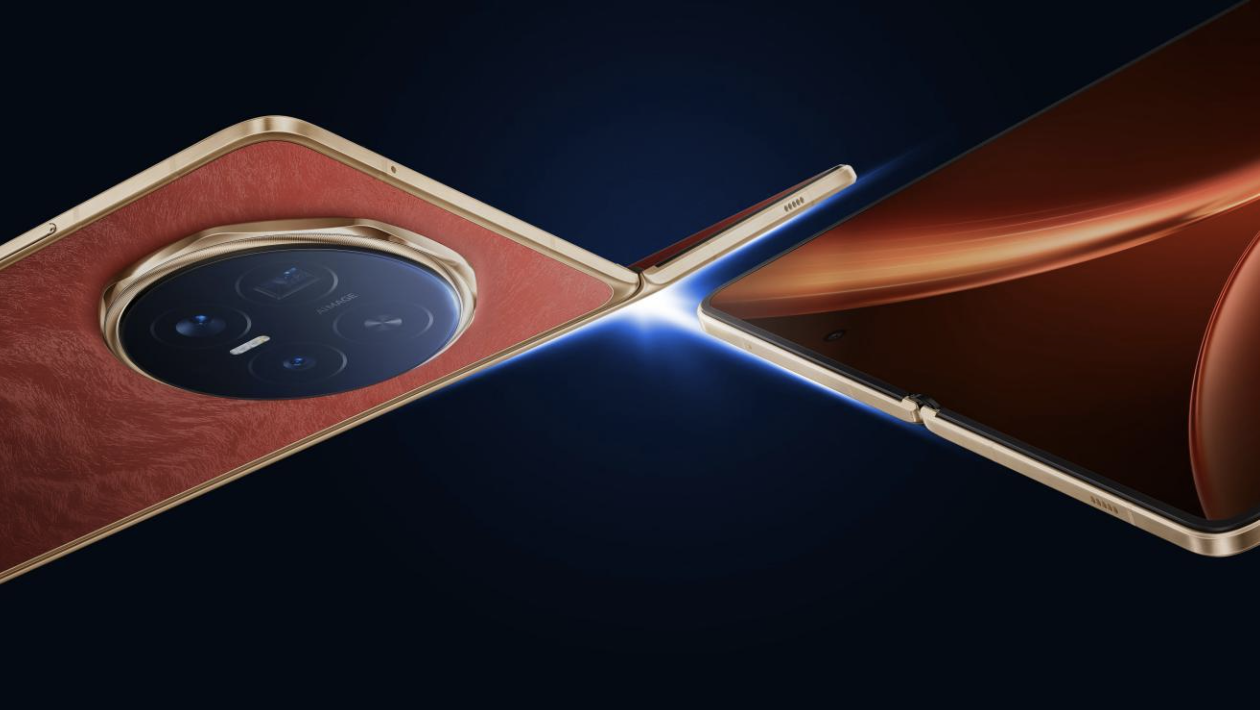
HONOR Magic V6 represents how foldable phones can blend productivity and imaging. The large inner display gives photographers a spacious viewfinder and roomier editing workspace, making retouching and color adjustments more precise. When folded, the outer screen still offers fast access to the camera, ideal for quick snapshots and social posts. Advanced camera hardware, combined with HONOR’s image processing, aims to deliver sharp detail, accurate skin tones, and strong performance in mixed lighting. The foldable design supports creative shooting modes, such as tripod-free long exposures or multi-angle vlogging with better framing. For enthusiasts, Magic V6 shows how modern mobile photography no longer just depends on sensor size but also on form factor and user experience. Users searching for honor magic v6 price are often also interested in how its premium features justify its positioning in the foldable smartphone market.
Conclusion
Smartphone photography keeps evolving through a powerful mix of AI, sophisticated hardware, and bold designs like foldable devices. Computational imaging and smarter editing tools help users create polished photos and videos with less effort, while still leaving room for personal style. Larger sensors and advanced zoom systems bring mobile cameras closer to traditional gear, especially in low light and at longer focal lengths. Foldables such as HONOR Magic V6 add flexible shooting positions and larger screens that simplify framing and editing. Enthusiasts who follow these trends can choose devices that match their creative goals, build stronger mobile workflows, and capture stories that stand out on social platforms, portfolios, and everyday photo albums.

