



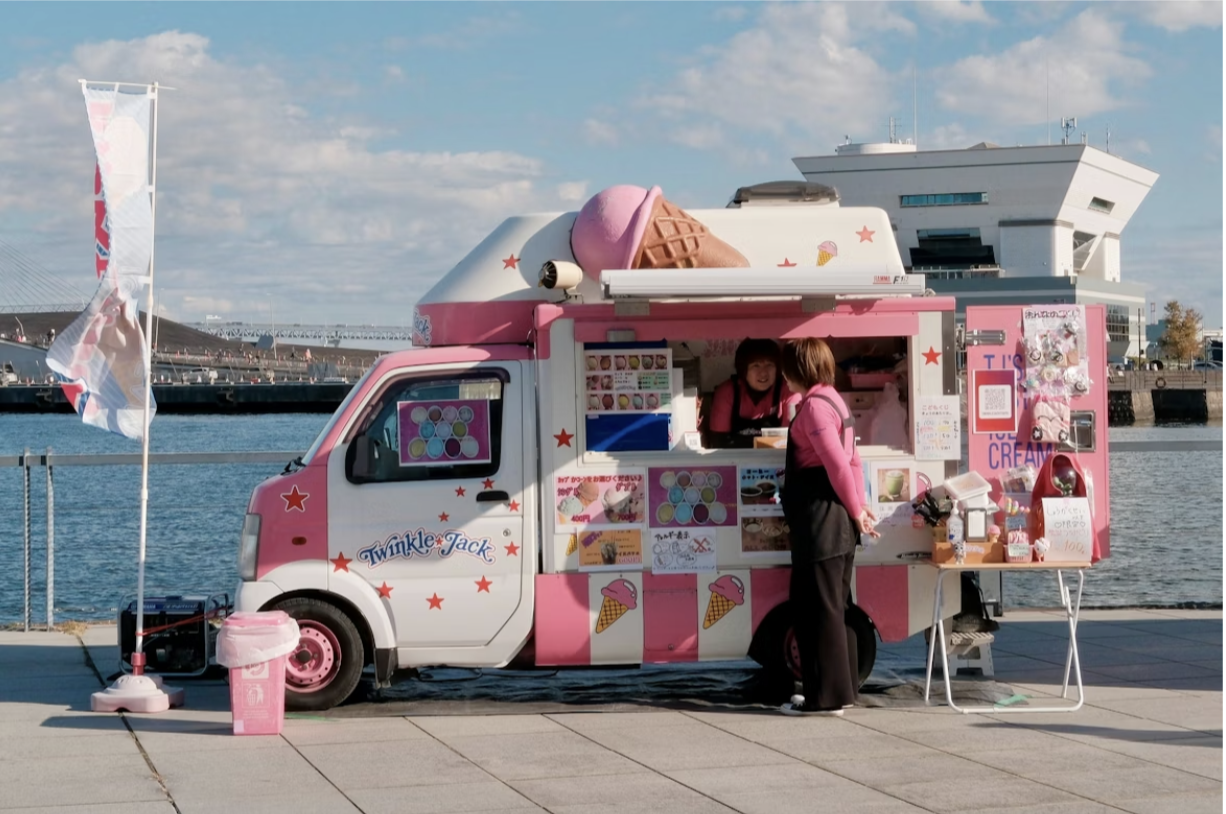
Mobile catering has been on the rise, largely because people love quick, convenient ways to
grab tasty food and try something different. For aspiring food entrepreneurs, there are a variety
of options, including a range of mobile catering solutions from Bistro Trailers, which have
become a popular choice as they’re affordable and flexible compared to bricks-and-mortar
restaurants or even food trucks.
Setting up a sit-down restaurant can cost hundreds of thousands of pounds. In contrast, a small
bistro trailer usually falls between £16,000 and £32,000 to get started. This smaller investment
means it’s easier for newcomers to join the industry, and there is less financial strain if plans
need to change.
The appeal doesn’t stop there. Bistro trailers give you the freedom to move from place to place.
You can follow festivals, try different spots, or move on if trade dries up. This flexibility can be real advantage as tastes and trends change. For many, it’s also much simpler to run these
trailers than larger operations, so you can focus on getting the menu right and serving great
food quickly.
In short, Bistro trailers combine low setup costs, freedom to move, and minimal ongoing
expenses. They’re an excellent way in for anyone who dreams about launching a food business
but doesn’t want to gamble their life savings in the process.
Developing Your Mobile Catering Business Concept
To get off to a flying start in mobile catering, focus on a food concept that stands out. You want
people to remember both your flavours and your style. Think about what’s popular locally, bu
also look for gaps you could fill—maybe there’s a lack of quality coffee, fresh vegan bowls, or
bold street food flavours in your area.
Figuring out who you want to serve is essential. This could be office workers at lunchtimes,
festival-goers, or families at local events. Your menu, prices, and even your marketing plans
should all line up with what your main customers are after.
Choosing a name isn’t just about clever wordplay. It should show off what you’re about, help
people remember you, and ideally give a nod to your menu. Build a brand identity with a strong
logo and consistent colours, so people spot you instantly at any event, online, or when you pull
up kerbside.
Next, you’ll need to pick a business structure that truly works for your setup. You could keep
things simple as a sole trader, work with someone else as a partnership, or set up a limited
company. Each comes with its own rules, tax issues, and paperwork, so it might be worth
asking a professional for advice to make things clear.
Creating a Solid Business Plan
Getting your business plan right for mobile catering is key, as it gives your whole project
direction and keeps things on track. This plan also comes in handy if you’re applying for loans,
grants, or convincing investors to back your food trailer dreams. At its core, your plan should
clearly lay out your goals, how you’ll stand out, and map the path from idea through to smooth
daily running.
A strong market analysis will help you pinpoint who’s likely to buy your food—maybe it’s busy
office staff craving a quick lunch, or families looking for easy weekend treats. Try to picture
exactly who’ll visit your trailer, then create your offering so it matches their needs. Knowing
which other traders are nearby, and what they do well, is handy too; it lets you find a way to
stand out rather than blend in.
For the menu, less is very much more. Aim for a shortlist of 4 to 6 great options that express
your concept but won’t slow you down when queues form. Think about dishes that share ingredients, which helps keep costs down and the kitchen running smoothly. Seasonal tweaks
will keep your regulars interested, even when the weather shifts.
The money side deserves your full attention. List every upfront cost, from the trailer itself to
fitting out your mini kitchen, your first order of stock, permits, and those little extras that always
crop up. Typical start-up costs run between £10,000 to £30,000. Ongoing expenses include
food, travel, regular maintenance, and pitch fees. Estimate your sales per day (how many
meals, at what average spend) and remember to plan for slower winter months. Having these
numbers sorted lets you see how long it’ll take to cover your costs and tells you if your plan is
likely to be sustainable.
Legal and Operational Requirements for Mobile Catering
You’ll need the right licences and permits before you can start trading. Each council has its ow
rules about what’s needed and where, so make sure to check local guidelines carefully. The
essentials usually include a business licence, a food handler’s certificate, and a permit to
operate as a mobile food vendor. Most councils also expect you to have a health department
approval, as well as proof that your trailer or van meets road safety and food safety standards.
It’s important to get to grips with food safety and hygiene requirements. Good food handling is
non-negotiable—this means keeping equipment spotless, using clean utensils, and making sure
staff know the basics of safe food prep. Regular cleaning should be second nature; everyone
who works with you should be properly trained to avoid any health risks. Following these
practices not only keeps your customers safe, but also gives people extra confidence in your
business.
Keeping the day-to-day running smoothly while meeting all the rules matters a great deal. Use a
proper point of sale system to make life easier both for you and your customers, and keep an
eye on your stocks so you’re never caught short. Checklists help you stay on top of everything
from food prep safety to legal paperwork, so you don’t get tripped up by missing details. All of
this taken together keeps your operation efficient and well-respected, so you can build a name
people trust.
Choosing and Equipping Your Trailer

The type of trailer you pick for your bistro business has a big impact on how smoothly things run
day to day. Start by thinking about your business model and who you want to serve. Will you be
parked up at one main spot, such as a business park, or moving between different events and
festivals? This will shape the size and design of your trailer—smaller is easier if you’re solo at
quiet places, but you’ll need more space and a different fit-out for high-footfall events where
quick service matters.
Getting your trailer kitted out properly is just as important as choosing the shell. Reliable
cooking gear, like grills, fryers, or induction hobs, should match what’s on your menu. You’ll also
want a commercial fridge and freezer to keep things fresh. For busy times, devices like bain-
maries can keep food hot and ready. Decent ventilation is a must for food safety and working
comfort.
How you set up the inside can make all the difference. Place service windows, prep areas, and
storage where it makes sense for your work routine. A trailer that fits your way of working saves
time and hassle. And finally, don’t forget the outside matters too—your trailer is your calling
card, so make it catch the eye and show off your brand. A strong look helps you stand out and
brings in more customers, especially when there’s competition just metres away.
Financial Planning and Management
Running a mobile catering business means keeping a close eye on your money from day one.
The amount you need to get started varies based on your ambitions, but a bistro trailer usually
calls for an investment between £16,000 and £32,000. Your biggest upfront costs are buying the
trailer, fitting it out with kitchen equipment, purchasing a commercial vehicle, and getting all your
licences in place.
It’s good to set aside a little extra for supplies, first stock, marketing materials, and those
surprise bills that crop up before you’ve had your first busy week.
A careful budget and some number crunching before you start trading will save you headaches
down the line. Jot down what you expect to make from different sales channels and work out all
your running costs—regular and occasional. Track your profit margin and leave a buffer for slow
months or unexpected breakdowns so you’re not left scrambling when cash flow gets tight.
On a daily basis, record every expense. Whether it’s food deliveries, topping up fuel, paying
staff, or paying for that new batch of business cards, it all matters. Using a decent point of sale
system will help you process payments easily, keep your books in order, and even spot which
menu items your customers love most.
Taking time each week to go through your finances gives you a chance to catch needless
spending, tweak your prices, and squeeze more profit out of your hard work.

