



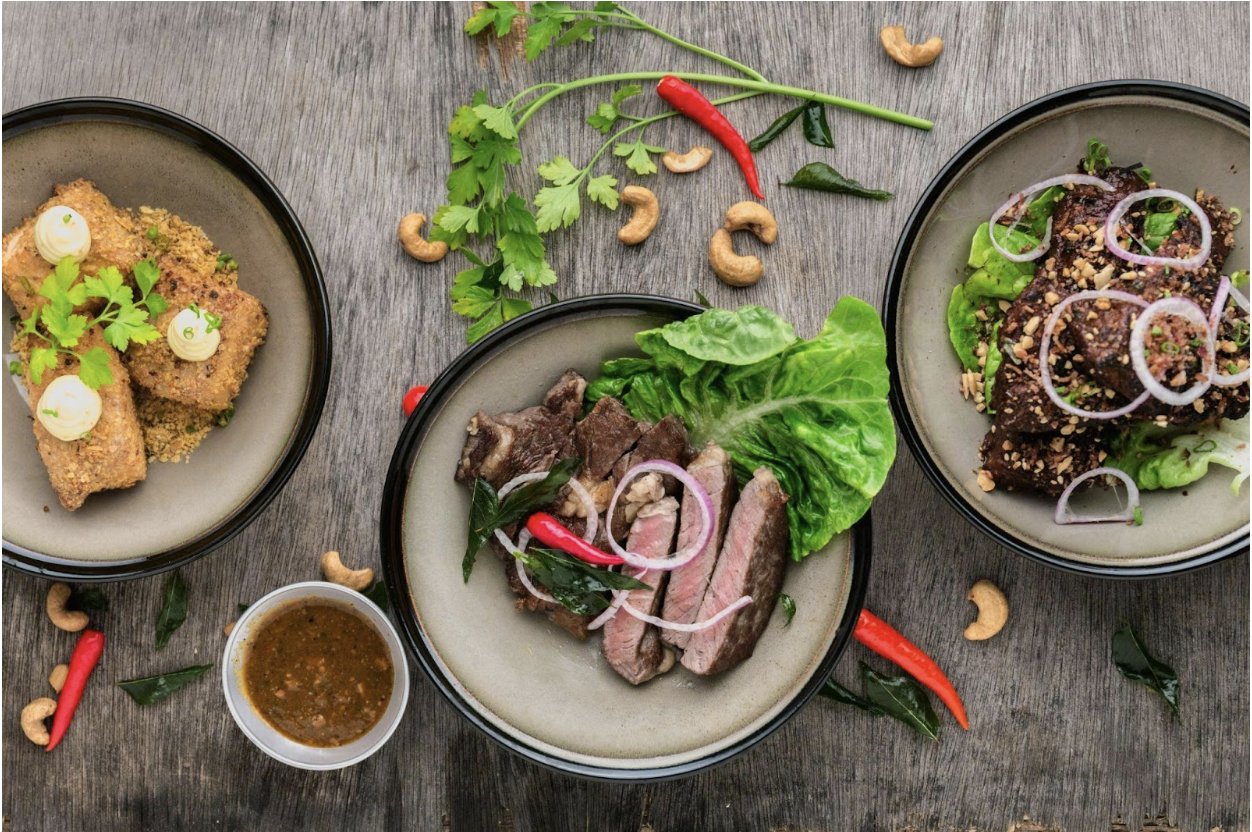
Food is far more than sustenance. It’s memory, emotion, culture, and identity wrapped into one universal language. Every bite we take carries traces of where we come from, who we love, and how we see ourselves. The dishes we crave aren’t random; they’re reflections of our inner world, our past experiences, and the ways we cope with comfort and connection. During festive seasons, that emotional bond often takes shape in the form of shared meals, family recipes, and thoughtful gestures, like Gift Basket Christmas hampers that capture the warmth of giving through taste and tradition.
Memory on a Plate
When we think about comfort food, we’re rarely talking about the nutritional content. We’re talking about the memories it evokes, the smell of a parent’s kitchen, family friendly dinner recipes, the taste of home during hard times. Neuroscientists have long noted that taste and smell are closely linked to memory. Unlike visual or auditory memories, which are processed elsewhere, smell and taste are processed through the brain’s limbic system, home to emotion and nostalgia.
That’s why one bite of a familiar dish can transport us decades back in time. A bowl of chicken soup might not just be dinner, it might be the feeling of being cared for when you were sick. A slice of your grandmother’s pie might hold the comfort of long conversations at her table. In these ways, food becomes an anchor to our identity, a reminder of where we’ve been.
The Psychology of Taste and Emotion
Our food preferences are often born from emotion. Sweet foods tend to comfort us because sugar releases dopamine, the “feel-good” neurotransmitter. Savory and umami flavors can evoke satisfaction and stability, often associated with hearty, communal meals. Spicy foods, on the other hand, trigger an adrenaline response; people who enjoy them tend to seek excitement and stimulation in other parts of life too.
But the emotional connection goes deeper. When people experience loneliness, stress, or uncertainty, they gravitate toward familiar textures and flavors because they offer predictability in a chaotic world. A warm pasta dish or baked bread isn’t just nourishment; it’s a small act of emotional regulation.
Interestingly, studies have shown that when people move away from home or experience cultural displacement, their taste preferences become more nostalgic. They crave the dishes that connect them to their roots. It’s the mind’s way of holding onto belonging through the body’s senses.
Cultural Identity and the Collective Table
Every culture carries its own flavor palette, its unique expression of geography, climate, and history. But beyond ingredients and techniques, food tells collective stories of resilience, adaptation, and identity.
For example, soul food in the American South grew from centuries of hardship and ingenuity, transforming simple ingredients into symbols of strength and pride. In Japan, the ritual of preparing sushi is not merely culinary; it’s an art form reflecting discipline, respect, and harmony. Italian cuisine celebrates family and generosity, while Mediterranean diets speak to balance and connection with the land.
When people share traditional dishes, they’re not just feeding others, they’re extending their culture, offering a glimpse of who they are and where they come from. That’s why food often becomes central to diaspora communities. Even when languages fade or borders change, recipes survive as carriers of heritage.
How Food Reflects Personality

The way we eat can reveal as much as what we eat. People who experiment with exotic cuisines often score higher in openness, a personality trait linked to curiosity and creativity. Those who prefer simple, familiar meals may find comfort in stability and tradition.
But even subtle habits, like savoring slowly or reaching for strong flavors, can say something about emotional makeup. Slow eaters tend to be mindful, patient, and reflective. Those who prefer spicy or bitter foods might lean toward intensity and boldness in life. Meanwhile, dessert lovers aren’t just indulgent; they often associate sweetness with celebration and reward, marking life’s milestones with something joyful.
Psychologists call this “culinary self-expression”, the idea that our choices around food mirror our self-image. Just as we curate our wardrobes or playlists, we also curate our diets to align with how we want to feel or be perceived.
Rituals, Celebration, and Connection
Food rituals, whether it’s Sunday dinner, a morning coffee routine, or annual holiday feasts, serve as emotional stabilizers in modern life. They bring rhythm, predictability, and community into our daily existence.
These moments aren’t just about the meal itself; they’re about creating shared meaning. A Thanksgiving table is a physical symbol of gratitude and family unity. A birthday cake is an edible expression of love and attention. Even small habits, like cooking the same breakfast every morning, can ground us in a sense of self when the rest of life feels uncertain.
The rise of social dining and shared cooking experiences speaks to our innate desire to connect. Psychologists have found that eating together increases empathy and trust. Sharing food literally synchronizes brain chemistry, releasing oxytocin, the hormone linked to bonding.
The Evolution of Emotional Eating
Modern culture has complicated our relationship with food. With convenience meals, endless diet trends, and social media influence, eating has become both easier and more emotionally charged. We’re constantly negotiating between enjoyment and guilt, nourishment and restriction.
But understanding the emotional side of food can bring compassion into that balance. Instead of labeling emotional eating as “bad,” we can see it as communication, a message from the self about what we need. Sometimes that need is comfort, sometimes connection, sometimes simply familiarity.
When we acknowledge that food is emotional, we open the door to a healthier, more intuitive relationship with it. We stop eating against ourselves and start eating with awareness of what each bite represents.

