



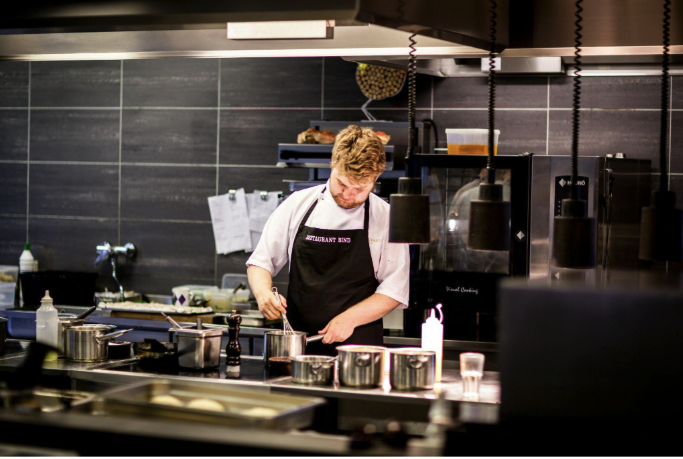
Getting your first restaurant kitchen job can feel exciting and a little scary at the same time. You may love cooking, enjoy watching chefs work, or dream of one day running your own kitchen. But before you can step behind the line, prep ingredients, or help during a busy dinner rush, you need one important thing: a strong resume.
As a student, you might think, “What can I put on my resume if I do not have much experience?” The answer is: more than you think. Restaurants do not always expect students to have years of professional cooking experience. Instead, they look for people who are reliable, hardworking, eager to learn, and ready to handle the fast pace of a kitchen.
Your resume is like your first dish served to an employer. If it is clean, organized, and full of the right details, it can leave a great first impression. In this article, we will explore practical resume tips for students dreaming of restaurant kitchen jobs, from highlighting your skills to showing your passion for food in a professional way.
Why Your Student Resume Matters in a Restaurant Kitchen
If you are a student dreaming of restaurant kitchen jobs, your resume is your first handshake with a chef, kitchen manager, or restaurant owner. You may not have years of experience. You may not have worked on a busy line during dinner rush. You may not even own a full chef knife set yet. But that does not mean your resume has to look empty.
A restaurant kitchen is like a moving train. Everyone has a role, everyone must move with purpose, and one weak link can slow the whole team down. Because of that, employers want to see that you are reliable, quick to learn, calm under pressure, and ready to work hard. Your resume should prove those things clearly.
The good news? Student resumes can be powerful. You can use school projects, volunteer work, part-time jobs, culinary classes, food service experience, and even personal cooking interests to show your potential. A strong student kitchen resume does not say, “I have done everything.” Instead, it says, “I am serious, teachable, and ready to help.”
When applying for entry-level restaurant kitchen jobs, such as dishwasher, prep cook, kitchen assistant, line cook trainee, or food runner, your resume should focus on attitude and practical ability. Restaurants often hire students because they bring energy, flexibility, and a willingness to learn. So, your job is to make those qualities easy to see.
Think of your resume like a menu. If it is messy, confusing, and too long, people lose interest. But if it is clear, well-organized, and full of useful details, the reader wants to know more. Before you start writing or editing your own resume, it helps to study what does not work. Seeing common mistakes in 10 bad resume examples can be powerful because it teaches you what to avoid, such as unclear job descriptions, poor formatting, weak skills, or too much unnecessary information. These examples act like warning signs on the road, helping you choose a better direction before you send your application. When you understand why a bad resume fails, you can make your own resume cleaner, stronger, and more attractive to restaurant employers.
Build a Kitchen Resume That Looks Clean and Easy to Read
Before a hiring manager reads your resume carefully, they scan it. They look for your name, contact details, experience, skills, and availability. If they cannot find those things fast, your resume may get ignored.
Start with a simple format. Use a clean font, clear headings, and enough white space. Do not use wild colors, tiny text, or fancy designs. A restaurant resume should feel sharp and professional, like a clean cutting board before service begins.
Your student kitchen resume should include these basic sections: contact information, resume summary, skills, experience, education, certifications, and availability. If you do not have much work experience, place your skills and education near the top.
Your resume summary should be short, but strong. For example:
“Hardworking culinary student with basic food prep knowledge, strong teamwork skills, and a passion for fast-paced kitchen environments. Seeking an entry-level restaurant kitchen position to build professional cooking experience.”
This kind of summary works because it tells the employer who you are, what you offer, and what job you want.
Next, keep your resume to one page. As a student, one page is usually enough. Hiring managers in restaurants are busy. They do not want to read a novel. They want quick proof that you are worth interviewing.
Use action words when describing your experience. Instead of saying, “Helped in school kitchen,” say, “Prepared ingredients, cleaned workstations, and followed food safety rules during culinary class projects.” That sounds more active and more professional.
Also, check your spelling. This may sound basic, but small mistakes can make you look careless. In a kitchen, details matter. A missed comma on a resume may not ruin a dish, but it can suggest that you might miss other details too.
Show the Skills Restaurants Actually Want
A restaurant kitchen is not only about cooking. It is about timing, teamwork, safety, speed, and consistency. So, when writing your resume for restaurant kitchen jobs, include skills that match real kitchen needs.
Do not simply write “good cook” or “hard worker.” Be more specific. Employers want to know what you can actually do. Can you chop vegetables safely? Can you wash dishes quickly? Can you follow recipes? Can you stand for long shifts? Can you stay calm when five orders come in at once?
The best resumes mix hard skills and soft skills. Hard skills show what you can do with your hands. Soft skills show how you work with people and pressure.
Hard skills to include on a student kitchen resume
Hard skills are practical abilities that help in the kitchen. These may include food preparation, knife safety, dishwashing, sanitation, basic cooking methods, measuring ingredients, stocking supplies, labeling food, and following recipes.
For example, instead of writing:
“Kitchen skills”
write:
“Basic knife handling, vegetable prep, dishwashing, food storage, recipe reading, and workstation cleaning.”
That sounds much stronger.
If you have taken a culinary class, mention the tools and techniques you learned. Did you practice baking, grilling, sautéing, or plating? Did you learn about food temperatures or cross-contamination? Add those details.
Food safety knowledge is especially valuable. Restaurants care deeply about clean work areas and safe food handling. If you have a food handler certificate, put it near the top of your resume. If you do not have one yet, consider getting it if it is required in your area.
Soft skills that make restaurants trust you
Soft skills are just as important as cooking skills, especially for students applying for first kitchen jobs. A chef can teach you how to dice an onion faster. But it is harder to teach someone to show up on time, listen carefully, and respect the team.
Great soft skills for restaurant kitchen resumes include reliability, teamwork, communication, time management, attention to detail, patience, and ability to work under pressure.
You can show these skills through examples. For instance:
“Balanced school schedule with part-time weekend work while maintaining strong attendance.”
This tells the employer that you are responsible and can manage time.
Another example:
“Worked with classmates to prepare and serve meals during school events.”
This shows teamwork and food service experience.
Remember, a kitchen can feel like a storm. Orders fly in, pans sizzle, timers beep, and people call out instructions. Restaurants want students who will not freeze when things get busy. Your resume should show that you are steady, focused, and ready to learn.
Turn School, Volunteering, and Part-Time Work Into Kitchen Experience
Many students worry because they do not have “real” restaurant experience yet. But experience comes in many forms. Your resume can include school activities, volunteer events, clubs, family responsibilities, and part-time jobs that taught useful skills.
Did you help cook at a school fundraiser? Add it. Did you volunteer at a community meal program? Add it. Did you work in retail or customer service? Add it too, because it shows communication, speed, and responsibility.
Here is a simple way to describe non-restaurant experience in a kitchen-friendly way:
“Assisted with food preparation and serving during school charity event for 100 guests. Helped set up tables, organize supplies, and clean the kitchen area after service.”
That sounds relevant, even if it was not a paid restaurant job.
If you worked as a cashier, grocery clerk, camp helper, or babysitter, focus on transferable skills. For example, a cashier job can show that you handled pressure, followed rules, served customers, and worked as part of a team. A babysitting job can show responsibility, planning, and patience.
Use numbers when possible. Numbers make your resume more believable. Instead of saying, “Helped at events,” say, “Helped prepare and serve food for 50 students.” Instead of “Worked many shifts,” say, “Worked 15 hours per week while attending school.”
Education can also help. If you are in high school, college, or culinary school, include your school name, program, expected graduation date, and relevant courses. Courses like culinary arts, nutrition, hospitality, business, or food science can support your application.
You can also add a small “Projects” section if you have made food-related projects. For example:
“Created a weekly meal plan for a nutrition class, including ingredient lists, food costs, and preparation steps.”
That shows planning, organization, and interest in food.
And what about hobbies? Usually, resumes should not be packed with hobbies. However, if your hobby connects to restaurant kitchen jobs, it can help. If you bake bread at home, cook family meals, practice knife cuts, watch cooking tutorials, or experiment with recipes, you can mention it briefly in your summary or skills section.
For example:
“Passionate about home cooking and baking, with regular practice preparing family meals and following new recipes.”
That line gives personality without sounding unprofessional.
Final Thoughts: Your First Kitchen Resume Can Open the Door
Writing a resume for restaurant kitchen jobs as a student can feel intimidating, but it is not impossible. You do not need a perfect background. You need a clear, honest, and focused resume that shows your strengths. Restaurants are often willing to train beginners who arrive with the right attitude.
Keep your resume simple. Highlight your food prep skills, cleaning habits, teamwork, reliability, and willingness to learn. Use examples from school, volunteering, part-time work, and personal cooking practice. Most importantly, match your resume to the job. If the restaurant wants a prep cook, talk about chopping, measuring, cleaning, and following recipes. If it wants a dishwasher, show speed, stamina, and attention to cleanliness.
Before sending your resume, read the job post carefully. Look for keywords like “fast-paced,” “team player,” “food safety,” “prep work,” “cleaning,” and “flexible schedule.” Then include those ideas naturally in your resume if they are true for you.
Also, be honest. Do not claim you can run a grill station if you have never worked one. In kitchens, skills are tested quickly. It is much better to say, “Eager to learn line cooking,” than to pretend you already know everything. Confidence is good, but honesty is better.
Your first kitchen job may start with washing dishes, peeling potatoes, or labeling containers. That may not sound glamorous, but every chef starts somewhere. A kitchen career is built step by step, like layers in a good lasagna. Each shift teaches you something. Each task makes you faster. Each mistake, when handled well, makes you better.
So, build a resume that tells your story clearly. Show that you are dependable, curious, and ready for the heat of the kitchen. With the right resume, your dream of working in a restaurant kitchen can move from an idea in your head to an opportunity in your hands.

